If Complacency Kills, Then Intentionality Heals
Story Time
I used to fish a lot, and I really got into kayak fishing. One of my bucket list goals was to catch a giant high-fin blue catfish out of my kayak. This required me to take my kayak onto a very large lake known for dangerous wind conditions, paddle a few miles out, and then fish in hopes of hooking up with a catfish big enough to take control of my kayak.
Typing this out, it’s much easier to see all the potential issues that might arise. However, I was young and ambitious in my goal.
My dad was not crazy about this idea—in fact, he hated it. But I was determined to go. He hated it so much that he wouldn’t let me go alone and decided to come with me because of the potential dangers of the trip. (Looking back I am very thankful he did, thanks, Pop!)
When we unloaded the kayaks at the boat ramp, we began paddling south with a nice breeze at our backs from the north. It was great—the weather was cool but not miserable, and we were chatting and having a great time. We paddled/drifted almost two miles and began trying to fish for the giant catfish.
But we quickly realized that the wind had picked up so much that our anchors weren’t holding. The wind was only increasing, and soon we were being pushed into the rocks that lined the dam. We made the quick decision to head back to the ramp.
At this point, we were paddling as hard as we could and getting almost nowhere. We gave each other a look that said it all: This is going to suck. We can’t stop. The only thing that will get us back to the ramp is determination and grit.
We put our heads down, white-knuckled the paddles, and started back. Every time we stopped, we immediately lost progress. I lift weights, I run, I stay active—but this was one of the hardest workouts I’ve ever done. The relentless wind, the waves splashing over the kayak, the cold water soaking me, and the reality of moving less than a mile per hour on a two-mile paddle—it was brutal. Do the math.
This trip taught me so much about life. As horrible as it was in the moment, it’s now a fond memory that my dad and I laugh about and cherish. Here is a pic of us before the trip unloading the kayaks optimistic and excited…..unfortunately, I don’t have an after pic but it would look much different

If we only knew…..
Here is the point.
The Drift of Complacency
Complacency kills is often used in the military and other high pressure, high risk careers, meaning that if you aren’t being intentional with your training, actions, and thoughts then you will make mistakes…. mistakes that can cost you your life. However, society can destroy us all if we are complacent as well. It may not be in an instant like in combat or high risk situations but it will still lead to our demise slowly over time. Society urges you take the easiest path and that “going with the flow” is natural and good. This complacency is like a drift that is carrying you away from where you need to be and into dangerous places. Let me explain.
Take health as a simple example. No one becomes out of shape in a day. It’s a slow drift caused by complacency: skipping the gym, choosing quick packaged food, sitting on the couch instead of healthy activities. Then one day you look in the mirror and realize you’re in the worst shape you’ve ever been, feeling worse than you ever have, and more hopeless than ever about being in shape again.
Fitness is the easy example—but what about parenthood? Where is the breeze of complacency pushing you there? You stop eating at the dinner table. You stop tucking your kids in. You spend an hour scrolling on your phone to “decompress” after work. You stop asking real, intentional questions about your family’s lives. Where does that get you? To regret—for wasting precious time with the most valuable gift you’ve been given. It leaves you with kids who turn to peers or social media for answers and guidance, kids who grow up thinking it’s normal for families to sit in silence, each on their own device.
It’s dangerous and leads to a lot of unintentional deep rooted problems.
And in terms of faith? If you’re complacent—if you stop pursuing the Lord, stop reading the Word, stop wrestling with deep questions, pray less, give less—you’ll find yourself in a spiritual valley.
Note: these works don’t make you more or less saved, but they do affect your growth and impact on others. James reminds us to be “doers of the word, and not hearers only” (James 1:22). Paul reminds us that we are saved “by grace…through faith—and this not from yourselves, it is the gift of God” (Ephesians 2:8–9).
The result of complacency in the kayak was ending up miles away from the ramp and facing a miserable uphill battle to get back. The result of complacency in fitness is a steep, exhausting road back to health. The result of complacency in parenting is a broken relationship that requires even more effort and time to rebuild. And the result of complacency in faith is conviction and the experience of the “fruit” of the world which is anxiety, hopelessness, anger and resentment instead of the fruit of the Spirit—“love, joy, peace, patience, kindness, goodness, faithfulness, gentleness, and self-control” (Galatians 5:22–23).
The Cure: Intentionality
If complacency kills then intentionality heals. When we find ourselves drifting so far off and begin to feel hopeless… what should we do?
Like most seemingly complex problems in life, the answer is simple: being intentional or in this analogy start paddling in the right direction. Even if it is slow and doesn’t feel like you’re making progress at first…. you are.
Health: Be intentional with diet, meal prep, exercise, research health and fitness, and develop better sleep habits.
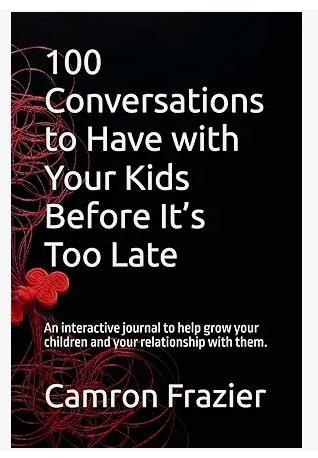
Parenting: Eat at the table with no distractions. Put phones away from 5–7 PM. Go on walks together. Do projects together. Research what your kids are into and have conversations with them about it. (Note- if you don’t know where t begin, I wrote a book/interactive journal on this topic, it’s linked below, the download is free, no strings attached)
Faith: Be disciplined in study (Acts 17:11), prayer (1 Thessalonians 5:16–18), worship (John 4:24), and service (Galatians 5:13).
Of the limitless options of complacency to write on, I chose these 3 topics because I feel that they are the most vital to a fulfilling life. Health affects everything we do, parenting is our single most important obligation that has the biggest impact our future society, and faith is where our lives need to be rooted. I also chose these 3 topics because they are 3 that I struggle with DAILY and I write these newsletters for me as much as you!
Intentionality Through Discipline, Not Motivation.
The biggest pitfall of intentionality is relying on motivation or “feeling.” Intentionality has to be rooted in discipline and non-negotiables. Meaning you set up reasonable obtainable habits that lead to real change.
If you only work out when you feel like it, you won’t work out consistently. If you don’t plan your meals, you’ll find yourself in the fast-food drive-through. If you don’t have a system for putting your phone away from 5–7 PM, you’ll end up scrolling on the couch while your child says, “Daddy, play with me.”
Motivation can spark the fire, but only discipline keeps putting logs on it. Motivation will fail you. Discipline will sustain you (Hebrews 12:11). This biggest mistake most make is that they try to make up a long period of complacency with a short burst of motivated intentionality. They start going to the gym for 2 hours before work and lift heavy and hard. This isn’t sustainable and will injure you. They clean out the fridge, spend too much on overly priced partially researched health trends, and hate their diet quickly.
Intentionality is creating small habits and routines that can be sustainable in your life. It requires research, routine, and discipline. It can be as simple as going from sugary drinks to sugar free drinks, it can be eating as a family Monday- Thursday, it can be listening to a book or podcast on faith instead of music on your way to work. It’s one paddle stroke at a time. Once you have effectively created a good routine then you can add on to it.
Final Thoughts for Two Audiences
Non-Christians:
Complacency is profitable. Fast food, packaged food, scrolling, TV, gaming—all of it is designed with billions of dollars of research to hook you. None of these things are bad in themselves if you are disciplined and intentional, but if you aren’t, they will consume you. It’s easier to sell potato chips than salad, easier to scroll for hours than exercise for minutes, easier to binge a show than make time for your family. Convenience is the enemy of intentionality.
Christians:
Understand that there is a real enemy who wants to cause real damage. It’s not always blatant attacks—it’s often the subtle breeze that pushes you without you noticing. The enemy comes “only to steal and kill and destroy” (John 10:10). Our world is broken, and if we are not on guard—if we don’t take our thoughts captive (2 Corinthians 10:5)—we will drift.
The Bible gives us intentional frameworks for living—not to earn salvation, but to help us thrive, to glorify God, and to strengthen our families. God hates sin (Romans 12:9). Sin thrives in unintentional living. Intentional living, like being rooted in God’s Word, brings freedom (John 8:31–32).
For Christians and non-Christians alike: we are fighting an uphill battle. Whether you call it society or the enemy, the odds are stacked against you. But small steps of discipline and intentionality defeat them both.
If you want a resource to begin living with intentionality, I recommend Atomic Habits by James Clear. It’s by far the best guide I’ve seen for creating systems that actually last. As stated early, It emphasizes that starting small increases the chances of success. A small habit that is used consistently is better than big ones you give up on.
If you want to be more intentional as a parent, check out my free book below. If you want to be more intentional as a leader, see my new book down below, as well.
Fight complacency. Be intentional. Start paddling!
Reflective Questions
Where in your life have you felt the “drift” of complacency—health, parenting, faith, or somewhere else—and what small intentional step could start steering you back today?
If someone watched how you spend your time this week, what would they say your priorities truly are?
When was the last time you felt spiritually anchored instead of carried by the current—and what practices helped you stay there?
Which areas of your life rely too heavily on motivation instead of discipline, and what system could you build to make consistency easier than excuses?
What would your life, relationships, or faith look like one year from now if you replaced comfort with intentionality?
James 1:22 (doers of the Word).
Ephesians 2:8–9 (grace by faith).
Matthew 7:7–8 (ask, seek, knock).
Galatians 5:22–23 (fruit of the Spirit).
Acts 17:11 (study the Scriptures).
1 Thessalonians 5:16–18 (pray continually).
John 4:24 (worship in Spirit and truth).
Galatians 5:13 (serve one another in love).
Hebrews 12:11 (discipline yields fruit).
John 10:10 (enemy steals, kills, destroys).
2 Corinthians 10:5 (take thoughts captive).
Romans 12:9 (hate what is evil, cling to what is good).
John 8:31–32 (truth sets you free).